Blog

  • Beginner Online Business Roadmap That Works

    Beginner Online Business Roadmap That Works

    Most people do not fail online because they are lazy. They fail because they start without a clear beginner online business roadmap, then get buried in tools, advice, and false starts. One video says build a brand. Another says run ads. Another says post three times a day for six months. That is how people stay stuck.

    If you are trying to build something online while working a job, raising kids, or rebuilding after burnout, you do not need more noise. You need a simple path that makes sense in real life. Not fantasy-land entrepreneurship. Not a 14-tab strategy that assumes you have endless time. Just the right steps, in the right order.

    What a beginner online business roadmap should actually do

    A good roadmap does not just tell you what is possible. It tells you what to do first, what can wait, and what is not worth your energy yet. That matters because beginners usually waste time on the wrong layer of the business.

    They obsess over logos before they know what they are selling. They build websites before they know who they want to help. They buy software before they have a clear offer. None of that is progress. It just feels productive.

    A real roadmap should reduce decision fatigue. It should help you validate an idea, choose a business model that fits your life, set up the basics, and start getting traction without needing a marketing degree.

    Start with the right business model

    This is where most people either gain momentum or lose months.

    Not every online business model fits a beginner. Some require a big audience. Some require inventory. Some require advanced tech skills. Some take too long to produce income, which is a problem if you are already stretched thin.

    For most beginners, the best option is a model that is simple, lean, and can be run part-time. Digital products, affiliate-style education businesses, coaching, consulting, and service-based online offers are usually easier starting points than ecommerce with physical products.

    That does not mean there is one perfect answer. It depends on your strengths. If you are good at teaching, a course or coaching offer may fit. If you are organized and detail-oriented, services may be the fastest path. If you want a framework with training and support already in place, a guided digital business model can shorten the learning curve.

    The point is this: pick a model that matches your current season of life, not your ideal life five years from now.

    The beginner online business roadmap in five stages

    Stage 1: Choose a problem you can help solve

    You do not need a groundbreaking idea. You need a real problem and a real group of people who care enough to solve it.

    That problem might be losing weight after 40, organizing finances, finding remote work, learning basic tech, or starting an online side income. The clearer the problem, the easier your messaging becomes.

    A lot of beginners try to speak to everyone because they are afraid of being too narrow. That usually backfires. Clear beats broad. When people feel like you understand their situation, they pay attention.

    Stage 2: Build a simple offer

    Once you know the problem, create an offer that helps solve it. Keep it basic. Your first offer does not need layers, bonuses, or a complicated funnel.

    If you are selling a service, define the result and how you deliver it. If you are promoting a digital business system, focus on the outcome people want – clarity, structure, support, and speed. If you are creating a product, make it useful and specific.

    This is where beginners often overbuild. They try to make the offer perfect before they have proof people want it. Better approach: make it clear, helpful, and easy to understand. Then improve it as you go.

    Stage 3: Set up only the essentials

    You do not need a giant tech stack to get started. You need a few core pieces that let people find you, understand your offer, and take the next step.

    That usually means a landing page or simple website, a way to collect leads or inquiries, a clear message about what you do, and a basic follow-up process. That is enough to begin.

    Tech can become a trap for beginners because it gives the illusion of progress. Hours disappear while you compare platforms, colors, templates, and integrations. None of that matters if your offer is weak or your message is unclear.

    Keep your setup boring. Boring is good in the beginning because boring gets done.

    Stage 4: Learn one traffic strategy first

    You do not need to be everywhere. You need one dependable way to get attention.

    That could be short-form content, email, search-based content, outreach, community engagement, or referral-driven growth. The right choice depends on your personality and available time. If you hate being on camera, forcing yourself into a video-first strategy may be a fast way to quit. If you write well, written content may fit better.

    The mistake is trying to do all of it at once. Beginners burn out when they juggle too many channels before they understand any of them. Pick one lane, stay consistent, and let repetition teach you.

    Stage 5: Improve through feedback, not guesswork

    Your first version will not be your best version. That is normal.

    The people who win online are not always the smartest. They are usually the ones willing to watch what is working, fix what is not, and keep moving without making every mistake mean something about their worth.

    Pay attention to where people lose interest. Notice which messages get responses. Track what leads to calls, conversations, clicks, or sales. Then adjust.

    This is where mentorship and community can save you serious time. Trying to decode every problem alone is exhausting. The right support can help you spot blind spots faster and stay in motion when motivation dips.

    What usually slows beginners down

    Most beginners do not need more ambition. They need fewer distractions.

    One common problem is unrealistic timelines. People expect results in a week, and when that does not happen, they assume the model is broken. Online business can move fast, but it still requires skill, consistency, and patience. Fast does not mean instant.

    Another problem is chasing business models that look exciting but do not fit real life. If you have ten hours a week, your strategy needs to respect that. If you are not technical, your path should not depend on building complicated systems from scratch.

    Then there is mindset, which people either overhype or ignore. Mindset will not replace action, but it absolutely affects follow-through. If you keep telling yourself you are too old, too late, or not tech-savvy enough, you will hesitate at every step. That hesitation costs more than most people realize.

    Why structure matters more than motivation

    Motivation is unreliable. A clear system is better.

    That is especially true for adults building around a busy schedule. You cannot depend on feeling inspired after work or on weekends. You need a roadmap that tells you exactly what to do when time is limited.

    This is why structured training works so well for beginners. It removes the constant question of what now. Instead of piecing together random advice, you follow a path that has already been tested. That does not guarantee success, but it does remove a lot of unnecessary friction.

    For many people, that is the difference between staying in research mode and finally building something real. Platforms like Apex Digital Now appeal to beginners for exactly that reason – they offer training, systems, and guidance that cut through the mess and help people start with more confidence.

    A roadmap is only useful if you follow it

    You do not need another month of thinking about it. You do not need to know everything before you begin. You need a business model that fits your life, a clear offer, a simple setup, and the discipline to keep going long enough to learn.

    That is the real beginner online business roadmap. Not flashy. Not complicated. Just practical steps that move you from confusion to traction.

    If you have been waiting for the perfect time, here is the truth: clarity usually shows up after action, not before it. Start simple, stay focused, and give yourself the chance to build a business that actually works with your life instead of against it.

    The free webinar at apexdigitalnow.com is that starting point. Watch it today — your future self will thank you.

    As with any business, results will vary and cannot be guaranteed.*
  • Learn Online Entrepreneurship Skills Faster

    Learn Online Entrepreneurship Skills Faster

    Most people do not fail online because they lack ambition. They fail because they try to learn online entrepreneurship skills from a hundred disconnected videos, posts, and opinions, then wonder why nothing clicks. The problem usually is not effort. It is the lack of a clear path.

    If you are trying to build an online business while working a job, raising a family, or recovering from burnout, random advice is expensive. It costs time, energy, and confidence. What actually works is learning the right skills in the right order, then applying them before you move on.

    What it really means to learn online entrepreneurship skills

    A lot of people hear the word entrepreneurship and think of risk, hype, and people showing off screenshots. That is not the version that matters. Real online entrepreneurship is simpler than that. It is the ability to create value, communicate it clearly, and build a system that brings in revenue without depending on guesswork.

    That means the skills you need are not just technical. Yes, tools matter. Platforms matter. Automation matters. But none of that helps if you do not understand how offers work, how people make buying decisions, or how to keep moving when results are slow at first.

    Learning this well is less about becoming an expert in everything and more about becoming competent in the few things that drive results. You do not need to know every digital strategy. You need enough skill to make consistent decisions and take useful action.

    The skills that matter most first

    If you want traction, start with business fundamentals before you obsess over software. Too many beginners spend weeks choosing logos, colors, or platforms while avoiding the harder question: what exactly are you selling, and why would someone care?

    The first skill is market awareness. You need to understand a specific group of people, their problems, and what they are already trying to solve. Without that, every message sounds vague.

    The second skill is offer creation. A good offer is not just a product or service. It is a clear promise tied to a real outcome. People buy clarity. If your business idea takes five minutes to explain, it is probably not ready.

    The third skill is communication. That includes writing simple marketing messages, telling the truth about results, and making your value easy to understand. Fancy wording usually hurts more than it helps.

    The fourth skill is lead generation. If no one sees your business, nothing else matters. This does not mean being everywhere. It means choosing a channel you can actually stick with and learning how to attract attention without sounding desperate.

    The fifth skill is conversion. You need to know how to move someone from curious to committed. That might happen through emails, calls, webinars, content, or a sales page. The format can vary. The principle stays the same.

    The sixth skill is simple operations. Can you follow up consistently? Can you deliver what you sold? Can you keep your business organized enough that growth does not create chaos? A messy backend can kill momentum fast.

    How to learn online entrepreneurship skills without getting stuck in learning mode

    The biggest trap is confusing information with progress. You can spend six months consuming content and still have no business. Learning only counts when it changes what you do.

    A better approach is to learn in short cycles. Study one concept, apply it immediately, review the result, then adjust. That is how real confidence gets built. Not through endless preparation, but through action with feedback.

    For example, if you are learning messaging, do not read twenty articles and call it productive. Write a simple offer statement and test it. If you are learning content, publish something. If you are learning lead generation, start one outreach process and track the response. The skill develops through use.

    This is especially important for adults starting later in life. You probably do not have extra time to waste. You need learning that fits around your actual schedule and moves you toward revenue, not just theory.

    Why structure matters more than motivation

    Motivation is unreliable. Life gets busy. Work gets stressful. Family needs your attention. If your business education depends on feeling inspired every day, you will stall.

    Structure fixes that. When the path is clear, you do not have to burn energy deciding what to do next. You just focus on the next step.

    That is one reason many aspiring business owners do better with a guided system than with scattered free content. Free content can be helpful, but it rarely gives you sequence. It tells you what is possible, not what to do first, second, and third.

    A structured path also helps you avoid the common beginner mistake of trying advanced tactics before the foundation is solid. Paid ads, funnels, automation, and scaling strategies all have a place. But if your offer is weak or your message is unclear, more traffic only exposes the problem faster.

    The trade-off between doing it alone and getting support

    You can absolutely teach yourself many of these skills. Plenty of people do. The question is not whether it is possible. The question is what it will cost you in time, false starts, and frustration.

    Going alone gives you flexibility, but it also makes it easier to quit quietly. No one is there to challenge your assumptions, spot mistakes early, or remind you that slow progress is still progress.

    Support changes that. Community gives you perspective. Mentorship shortens the learning curve. A proven framework removes unnecessary decisions. For people who are building a business in the margins of a full life, that kind of support is not a luxury. It can be the difference between momentum and months of spinning your wheels.

    That does not mean every program is worth joining. Some overpromise. Some bury beginners in complexity. Some sell inspiration without execution. You want practical guidance, real examples, and a system that helps ordinary people take action. That is very different from hype.

    A practical way to build these skills week by week

    Start by choosing one business model and committing to it long enough to learn how it works. Constantly switching models is one of the fastest ways to stay broke and discouraged.

    Then give each week a focus. One week might be niche research. The next might be refining your offer. After that, work on your message, then your lead generation process, then your follow-up. Keep the cycle tight. Learn, apply, measure, improve.

    Set small performance goals instead of vague ones. Instead of saying, I want to learn marketing, write three pieces of content, start ten conversations, or test two versions of your offer. Clear actions create clear feedback.

    Keep a simple scorecard. Track what you created, what response you got, and what needs work. This matters because memory lies. When people feel frustrated, they often assume nothing is happening, even when they are making real progress.

    If you want to speed up the process, use a training platform that combines education, community, and implementation support. Apex Digital Now is built around that idea. Not more noise, not more theory, but a practical framework that helps people start and grow an online business with less guesswork.

    What beginners often get wrong

    Many beginners think they need confidence before they begin. Usually the opposite is true. Confidence shows up after you take action, not before.

    They also assume they need advanced tech skills. In reality, most people need basic digital competence, a simple system, and the willingness to keep learning. You do not need to become a developer. You need to know enough to operate your business and solve the next problem in front of you.

    Another common mistake is expecting instant proof. Online business can create real freedom, but it still requires patience. The first phase often feels slower than expected because you are building skills and systems at the same time. That does not mean it is not working. It means you are in the part most people try to skip.

    Learn online entrepreneurship skills with the end in mind

    The goal is not to collect knowledge. The goal is to build a business that gives you more control over your income, time, and future. That changes how you learn.

    You stop asking, what else should I study, and start asking, what skill will help me make progress right now? That question keeps you focused. It cuts through distraction. It turns entrepreneurship from a vague dream into a practical process.

    You do not need perfect timing, perfect branding, or perfect certainty. You need a real plan, a willingness to practice, and the discipline to stay with it long enough to get good. Start there, and the path gets a lot less confusing.

    Curious to see how this kind of life is built from the ground up? Watch the free webinar at apexdigitalnow.com and get the full picture.

    As with any business, results will vary and cannot be guaranteed.*

  • A Guide to Scalable Online Income

    A Guide to Scalable Online Income

    Most people do not need another side hustle. They need a better model.

    That is the real point of a guide to scalable online income. If your only option is trading more hours for more money, you have built yourself a second job, not a business. For busy adults juggling work, family, and real-life responsibilities, that model burns out fast. Scalable income works differently. It gives you a way to build once, improve over time, and create results that are not tied to every minute on your calendar.

    What scalable online income actually means

    Scalable online income is income that can grow without needing your time to increase at the same rate. That does not mean passive from day one. It means the work you do upfront keeps paying you after the task is done.

    A freelance designer who gets paid per project is making active income. A designer who turns their process into templates, training, or a productized service has moved closer to scale. An online business owner who uses automation, systems, and repeatable marketing has a stronger foundation than someone manually chasing every sale.

    This matters because time is limited. You can only work so many hours before your health, family life, or motivation starts taking the hit. If you want more freedom, the answer is not always more effort. Often it is a better structure.

    Why most beginners struggle with online income

    A lot of people get stuck because they start with the wrong question. They ask, “What can I do online to make money fast?” instead of asking, “What model can I build that still makes sense six months from now?”

    Quick cash strategies are not always bad. Sometimes you need short-term income. But many of them do not scale. They rely on constant outreach, one-off gigs, low margins, or trends that disappear as fast as they show up.

    The other problem is information overload. One person says start a store. Another says sell courses. Someone else says become a creator, run ads, build funnels, launch a membership, and post five times a day. That kind of advice sounds exciting, but for most beginners it creates confusion, not momentum.

    What works better is choosing a simple business model, learning the core skills behind it, and building systems that remove guesswork.

    A practical guide to scalable online income starts with the right model

    Not every online income stream is equally scalable. Some are easier to start, while others take longer to build but offer more room to grow.

    Digital products are one strong option. If you create something once, like a guide, template, workshop, or training, you can sell it many times. The upside is clear. The trade-off is that you need a real understanding of what people want, and you need a way to reach them.

    Affiliate marketing can scale when it is built on trust, content, and a system that brings in qualified buyers. The upside is that you do not need to create your own product. The downside is that weak traffic or random promotion usually leads nowhere.

    Online education and coaching can scale too, but only if you move beyond one-to-one delivery. A coach who packages their method into group programs, recorded training, or a repeatable framework has more room to grow than someone taking endless private calls.

    Service businesses can also become scalable if they are structured the right way. Productized services, small teams, automation, and standard operating processes make a big difference. Without that, you are just building a more stressful job.

    So what is the best option? It depends on your skills, your available time, your budget, and how involved you want to be. But the key is this: choose a model with repeatability built in.

    The four parts of a scalable online business

    No matter what model you choose, scalable income usually rests on four pieces.

    First, you need an offer people actually want. Not what sounds clever. Not what you hope they might buy. Something that solves a problem, saves time, reduces stress, or helps them get a result they care about.

    Second, you need a way to attract attention consistently. That might be content, paid traffic, email marketing, referrals, or a combination. If sales only happen when you manually push for them, scale stays limited.

    Third, you need a conversion process. That means your business should guide people from interest to action in a clear way. Confused people do not buy. They leave.

    Fourth, you need systems. This is where many people resist the boring stuff, but systems are what create freedom. Automation, templates, onboarding, follow-up sequences, and repeatable workflows are what let your business grow without turning chaotic.

    What beginners should focus on first

    If you are new, do not try to build a giant ecosystem right away. Start with one offer, one audience, and one traffic method. Simplicity is not a weakness. It is how real businesses get traction.

    The audience matters more than people think. A broad message gets ignored. A clear message aimed at a specific person gets attention. Busy parents wanting flexible income, burned-out professionals ready for change, or experienced workers looking for a second income stream are all very different audiences with different pain points.

    Then build one offer that fits that audience. Keep it practical. Make the result obvious. If someone cannot quickly understand what your offer does for them, it needs work.

    After that, choose one method for generating leads or sales. Too many beginners spread themselves thin trying to be everywhere. It is better to get competent in one channel than mediocre in five.

    The truth about automation and leverage

    Automation gets talked about like magic. It is not. It is just a tool. Used well, it saves time and reduces errors. Used badly, it scales confusion.

    Before automating anything, make sure the process itself works. If your message is unclear, your offer is weak, or your audience is off, automation will not fix that. It will just help you fail faster.

    Leverage comes from doing more of what already works, with less manual effort. That might mean email sequences that nurture leads, content that continues bringing in interest, or a backend system that handles onboarding without constant hand-holding.

    This is one reason structured mentorship and proven systems matter. Reinventing every step wastes time. A clear framework helps you focus on execution instead of guessing.

    What to avoid if you want income that lasts

    The biggest mistake is chasing novelty. New platforms, trends, and flashy income claims pull people off course all the time. A model that lasts is usually less exciting on the surface and much stronger underneath.

    Another mistake is underestimating the learning curve. Scalable income is simple in concept, but not effortless in practice. You still need to learn messaging, offers, traffic, and follow-up. The difference is that these skills build on each other. Once they are in place, your effort has more reach.

    You should also avoid building a business that depends entirely on your willpower. If your growth plan assumes you will stay motivated every single day, it is weak. Good systems carry you on the days when life gets messy.

    And be careful with low-ticket offers that leave no room for support, marketing, or profit. High volume sounds great until you realize you need massive traffic to make it work. Sometimes a simpler, better-positioned offer creates more income with less strain.

    Building for real life, not fantasy

    A scalable business should fit your life, not fight it. That matters even more if you are starting in the margins of your day.

    You may not have eight free hours. You may have ninety focused minutes before work, a few hours on weekends, and the determination to stop living on autopilot. That can still be enough if the model is right and the path is clear.

    This is where many people finally make progress. They stop trying to copy full-time internet entrepreneurs and start building something realistic. Something they can stick with. Something that respects their current season while moving them toward more freedom.

    If you want a shortcut, this is probably the closest thing to one: choose a business model with leverage, follow a proven framework, and stay with it long enough to let the compound effect kick in. That is why platforms like Apex Digital Now appeal to people who are done guessing and ready to build with structure.

    Scalable online income is not about escaping work. It is about making your work count more. Start there, keep it simple, and give yourself the chance to build something that grows even when your schedule stays full.

    The free webinar at apexdigitalnow.com is where that yes becomes a next step. Watch it now — and find out exactly what is possible when you finally decide.

    As with any business, results will vary and cannot be guaranteed.*
  • Career Change to Online Entrepreneur

    Career Change to Online Entrepreneur

    Most people do not wake up one day suddenly ready for a career change to online entrepreneur. It usually starts smaller than that. You get tired of asking for time off. You realize your paycheck is fixed but your bills are not. Or you look around at work and think, I cannot keep doing this for another 10 or 20 years.

    That moment matters, but honesty matters more. Wanting out of a job is not the same as being ready to build a business. The people who make this shift successfully are not always the smartest or most tech-savvy. They are the ones who stop romanticizing entrepreneurship and start treating it like a practical move.

    Why a career change to online entrepreneur makes sense now

    For a lot of adults between 35 and 65, the old career promise has weakened. Work hard, stay loyal, and eventually gain security. That deal does not feel as stable as it used to. Layoffs happen fast. Salaries often lag behind inflation. Flexibility is still limited in many roles, even after years of experience.

    An online business offers something traditional work often cannot – leverage. You are not only trading hours for money. You are building a system, an audience, a product, or a sales process that can keep working after you log off. That does not mean easy money. It means your effort can compound instead of resetting every Monday.

    It also fits real life better than many people expect. You do not need a storefront. You do not need a giant team. You do not need to be a social media celebrity. In many cases, you need a clear offer, a simple marketing process, and the discipline to keep going long enough to learn what works.

    The biggest mistake people make when changing careers

    They think the answer is more information.

    It usually is not. Most aspiring entrepreneurs are already overloaded with videos, podcasts, screenshots, opinions, and half-finished ideas. The real issue is not lack of access. It is lack of direction.

    A career change fails when you try to build from ten different business models at once. You start looking into dropshipping on Monday, freelance consulting on Tuesday, affiliate marketing on Wednesday, and content creation by the weekend. That is not exploration. That is delay dressed up as productivity.

    The better move is to choose one model that fits your life right now. If you have limited time, your business needs to be simple. If you are not technical, your model should not depend on advanced setup. If you need guidance, you should not pick a path that requires piecing together random advice from strangers online.

    How to approach a career change to online entrepreneur without blowing up your life

    You do not need to quit your job in a dramatic burst of confidence. In most cases, that is a bad plan.

    A smart transition starts with stability. Keep your income while you build proof of concept. That means you test the business around your current responsibilities until you see traction. For some people, that is evenings. For others, it is early mornings or weekends. It is not glamorous, but it is realistic.

    The first goal is not freedom. The first goal is evidence. Can you follow a process consistently? Can you generate interest? Can you make your first sale or sign your first client? Can you repeat it?

    When people skip this stage, they put pressure on a business that has not had time to mature. Then every slow week feels like failure. That pressure causes bad decisions, like switching models too early or spending money on tools they do not need.

    What actually matters in your first online business

    Not everything deserves equal attention. In the beginning, a few things matter a lot more than the rest.

    Your business model matters because it determines how quickly you can act. Your offer matters because people do not buy vague ambition. Your system matters because motivation fades, and structure carries you when excitement wears off.

    This is where many new entrepreneurs get stuck. They focus on logos, website colors, and the perfect brand name while avoiding the real work of building an offer and getting in front of people. You do not need a polished online empire on day one. You need a business that solves a problem and a repeatable way to present it.

    That is why step-by-step training and mentorship can make such a big difference. A proven framework shortens the learning curve. It helps you avoid wasting six months on tasks that look productive but do not lead to revenue. If you are busy, that matters. If you are already burnt out, it matters even more.

    The trade-offs no one should sugarcoat

    Yes, online business offers freedom. It also asks more of you upfront.

    You will need patience. Results rarely show up as quickly as people hope. You will need self-management. No boss is standing over your shoulder telling you what to do next. You will need to tolerate being a beginner again, which can feel uncomfortable after years of experience in a traditional career.

    There is also an emotional trade-off. A regular job gives you predictability. Entrepreneurship gives you control, but control comes with responsibility. If something is not working, there is no one else to blame. For some people, that is intimidating. For others, it is exactly what they have been missing.

    Neither path is perfect. The question is which set of problems you would rather deal with. Fixed ceilings and limited flexibility, or the challenge of building something that belongs to you.

    Why support matters more than motivation

    Motivation is great for starting. It is unreliable for finishing.

    The people who make real progress usually have support built into the process. That can mean mentors, a community, a training system, or all three. The point is not hand-holding. The point is momentum.

    When you are trying to build an online business alone, every small obstacle can feel bigger than it is. A technical issue turns into a week-long delay. A confusing marketing decision turns into another course purchase. A slow launch turns into self-doubt.

    With the right support, those same moments become normal parts of the process instead of reasons to quit. You move faster because you are not reinventing everything yourself. You stay focused because there is a roadmap. You keep perspective because you are around people who are also building.

    That is one reason platforms like Apex Digital Now resonate with career changers. For people who want a practical path, not more noise, having a structured system and mentorship removes a lot of unnecessary friction.

    Signs you are more ready than you think

    A lot of capable people talk themselves out of starting because they assume they need more credentials, more time, or more confidence first.

    But readiness usually looks less impressive than people imagine. You are ready enough if you are willing to learn, willing to follow a proven process, and willing to stay consistent after the novelty wears off. You are ready enough if you can set aside perfection and start with the next clear step.

    You do not need to know everything about funnels, automation, content, or branding before you begin. You need enough clarity to pick a lane and enough discipline to stay in it long enough to get feedback.

    If you are waiting to feel fearless, you may wait forever. Most successful entrepreneurs did not start fearless. They started tired of staying stuck.

    What your next move should be

    If this shift has been on your mind for months, or years, stop treating it like a someday idea. That does not mean making reckless moves. It means getting specific.

    Choose one business path. Find a model that matches your schedule, skill level, and goals. Get around people who know what they are doing. Follow a system instead of collecting more random advice. Then give yourself a real runway to learn and build.

    A career change is not built on one big leap. It is built on a series of clear decisions made consistently. That is good news, because clear decisions are within reach even when your life is busy.

    You do not need a perfect plan. You need a workable one, and the willingness to start before your current situation makes the decision for you.

    The free webinar at apexdigitalnow.com is where that yes becomes a next step. Watch it now — and find out exactly what is possible when you finally decide.

    As with any business, results will vary and cannot be guaranteed.*
  • How to Create Automated Sales Funnels

    How to Create Automated Sales Funnels

    If you’re still trying to sell by posting when you have time, replying to every message manually, and hoping people come back later, you’re making business harder than it needs to be. Learning how to create automated sales funnels is really about building a system that keeps working when you’re at work, with your family, or simply off the clock.

    That matters even more if you’re starting an online business later in life, changing careers, or building around a packed schedule. You do not need a complicated setup. You need a clear path that moves the right person from curiosity to trust to action, without you chasing every lead by hand.

    What an automated sales funnel actually does

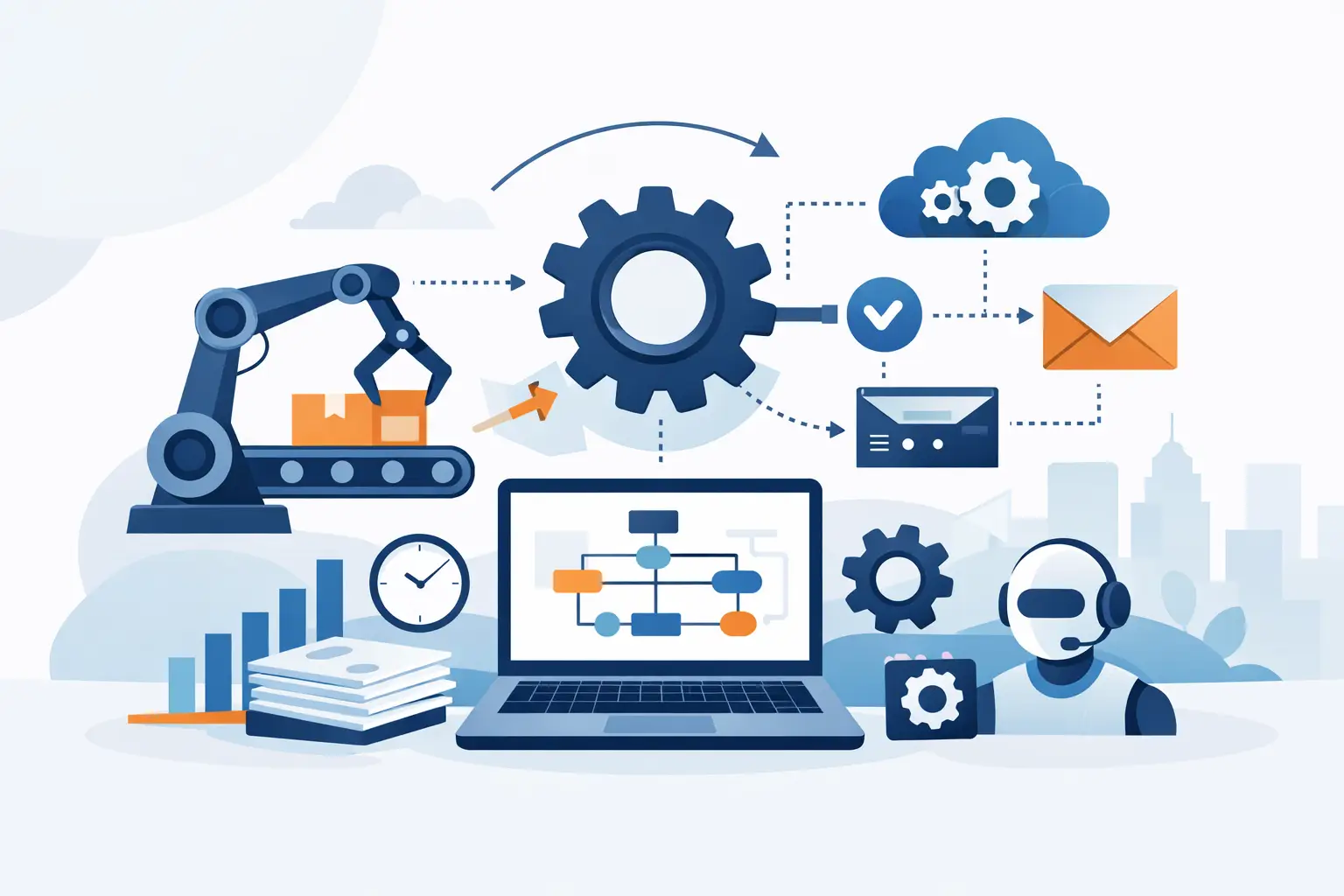
    An automated sales funnel is a series of steps that guides a potential customer through your process. First they discover you. Then they give you a way to contact them, usually an email address. After that, they receive follow-up messages, useful information, and a clear offer. If the funnel is built well, the person feels helped, not pushed.

    A lot of beginners think a funnel is just a landing page and a few emails. That’s part of it, but the real job of the funnel is bigger. It filters out people who are not a fit, builds trust with the people who are, and creates consistency in your business.

    This is why funnels matter so much for people who want more freedom. If every sale depends on your live attention, you have a job with extra steps. If your funnel can educate, qualify, and present your offer automatically, you start building leverage.

    How to create automated sales funnels without overcomplicating it

    The biggest mistake is starting with software instead of strategy. Tools matter, but they come after the basic decisions. Before you build anything, get clear on three things: who you want to help, what problem they want solved right now, and what action you want them to take next.

    If your audience is too broad, your funnel will feel vague. If your offer solves too many problems at once, people will hesitate. If your next step is unclear, leads stall out.

    Start simple. Pick one audience, one core problem, and one offer.

    For example, if you help busy professionals start an online income stream, your funnel should not talk to college students, full-time influencers, and retired investors all at once. It should speak directly to the person who feels stuck, wants flexibility, and needs a real system instead of random tactics.

    Step 1: Build a clear entry point

    Every funnel starts with attention. People need a reason to stop and pay attention to what you’re offering. That usually happens through content, ads, social posts, short videos, or a referral.

    But attention alone is not enough. You need an entry point that gives them a simple next step. That might be a free guide, a checklist, a webinar, a training, or a short quiz. The format matters less than the relevance. Your lead magnet should solve a small but urgent problem and naturally connect to your paid offer.

    This is where many funnels break. They offer something generic like “10 tips for success” and wonder why the leads never buy. A good lead magnet attracts people who are likely to want the next step. A bad one collects email addresses from people who were only mildly curious.

    Step 2: Create a landing page that does one job

    Your landing page should not try to explain your whole business. Its job is to get the visitor to take one action. That usually means entering their email and requesting the free resource or registering for the training.

    Keep the message tight. Lead with the problem, make the result clear, and remove distractions. You do not need fancy design. You need clarity.

    A strong landing page usually answers four questions fast: What is this, who is it for, what will I get, and what do I do next? If a visitor has to work to figure that out, conversions drop.

    Step 3: Set up email follow-up that sounds human

    Once someone joins your funnel, the follow-up sequence does the heavy lifting. This is where trust gets built.

    Most people will not buy the first time they see an offer. That is normal. They may be busy, skeptical, distracted, or simply not ready. Your emails should meet them there.

    Start with a welcome email that delivers what you promised. Then send a short sequence that helps them understand the problem more clearly, shows what is possible, handles common objections, and introduces your offer naturally.

    Do not write like a corporation. Write like a real person who understands the struggle and has a way through it. For this audience, that matters. People who are exploring a new business model often carry doubt. They are not just buying information. They are buying confidence, direction, and a process they can trust.

    Step 4: Make the offer simple to say yes to

    A funnel fails when the offer is confusing, mismatched, or too big for the stage of awareness the lead is in.

    If someone just met you, asking them to commit to a high-ticket program with little context is a stretch. Sometimes it works, especially with a webinar or strong appointment funnel, but often a smaller commitment works better first. It depends on your market, your price point, and how much trust your funnel builds before the ask.

    Your offer page or sales presentation should make the outcome clear, explain how it works, and show why this solution is different from trying to figure it out alone. Be direct. Do not pile on hype. People can feel when they are being pushed.

    If your business model includes mentorship, structure, and done-with-you guidance, say that plainly. For many beginners, support is not a bonus. It’s the deciding factor.

    Where automation helps – and where it doesn’t

    Automation is powerful, but it is not magic. It can send emails, segment leads, trigger reminders, book calls, and follow up consistently. That saves time and cuts down on leads slipping through the cracks.

    What automation cannot do is fix weak messaging, a poor offer, or a lack of trust. If nobody wants the thing you’re selling, more automation just helps you fail faster.

    This is why testing matters. Watch where people drop off. Are they clicking the ad but not opting in? Your landing page may be weak. Are they opting in but not opening emails? Your subject lines or audience targeting may be off. Are they reading but not buying? The offer or timing might need work.

    Treat your funnel like a working system, not a one-time project. Small improvements compound.

    The basic tech stack for automated sales funnels

    You do not need a dozen tools. In most cases, you need a page builder, an email platform, a checkout system if you’re selling directly, and analytics so you can see what is happening.

    Some all-in-one platforms combine most of this. Others work better as separate tools. There is no perfect setup for everyone. If you’re new, simpler is usually better. The best system is the one you will actually use consistently.

    This is one reason mentorship and proven frameworks matter. Too many people waste months comparing software when the real issue is they do not have a clear funnel strategy. A platform like Apex Digital Now appeals to that reality because many beginners do better with a model they can plug into and learn from instead of building every moving part from scratch.

    Common mistakes people make when learning how to create automated sales funnels

    The first mistake is trying to automate before they understand their customer. The second is adding too many steps. The third is quitting too early because the first version does not convert perfectly.

    A simple funnel with a relevant lead magnet, a clear landing page, a thoughtful email sequence, and one strong offer can outperform a complicated funnel every time.

    Another mistake is sounding too polished. That may seem strange, but for this kind of audience, overly slick marketing can raise red flags. Real people want clarity. They want proof. They want to know whether this can fit into real life, not just a sales pitch.

    Start with one funnel and make it work

    You do not need five funnels. You need one funnel that solves one problem for one type of person.

    That is how momentum starts. Build the first version, launch it, watch the numbers, and improve what is not working. Once that system is converting, then you can expand.

    The people who win with online business are usually not the ones doing the most. They are the ones doing the right things consistently. A smart funnel gives you that advantage. It turns scattered effort into a repeatable process, and that can change a lot more than your sales.

    Watch the free webinar at apexdigitalnow.com and see exactly how the model works — no hype, no pressure, just the truth about what is possible for you.

    As with any business, results will vary and cannot be guaranteed.*

  • 9 Benefits of Having a Business Website

    9 Benefits of Having a Business Website

    Someone hears about your business, gets interested, and searches for you. If all they find is a social profile with a few posts and an old logo, you’re making them work too hard. That’s the real issue behind the 9 benefits of having a business website – it gives people one clear place to understand what you do, why it matters, and what to do next.

    For a lot of new entrepreneurs, especially those starting later in life or building something on the side, a website can feel like a “next step” you’ll get to eventually. But eventually has a cost. Every day without a website is a day you’re harder to trust, harder to find, and harder to buy from.

    Why the 9 benefits of having a business website matter

    A business website is not just a digital business card. It’s your home base. Social media platforms change. Algorithms shift. Accounts get limited. Trends come and go. Your website is the one place online that belongs to you.

    That matters more than people realize.

    If you want a business that can grow without depending on luck, referrals alone, or your constant one-on-one effort, you need a foundation. A website helps create that foundation. It gives structure to your message, your offer, and your customer journey.

    1. It makes your business look real

    People judge credibility fast. That may not feel fair, but it’s true.

    When someone lands on a professional website, they immediately get a stronger sense that your business is legitimate. They can see what you offer, who it’s for, and how to reach you. Even a simple site does this better than a social page alone because it shows intention. It signals that you’ve invested in your business instead of treating it like a casual side hobby.

    This is especially important if you’re new and don’t have years of brand recognition behind you. A website helps close the trust gap.

    2. You control the message

    On social media, your message is squeezed into captions, graphics, short videos, and whatever format a platform currently favors. That can work for attention, but it’s not ideal for clarity.

    A website lets you explain your business properly. You can speak directly to the problems your audience has, show your solution, answer common questions, and guide visitors toward a decision. You’re not fighting a feed. You’re leading a conversation.

    That control matters when your audience needs more than hype. Many people between 35 and 65 want straightforward information before they trust a business. They want to know what they’re getting into. Your website gives them that.

    3. It helps people find you through search

    One of the biggest benefits of having a business website is visibility.

    When your website is built with clear pages and useful content, search engines can index it and show it to people looking for what you offer. That means your business has a chance to show up even when you’re not actively posting, messaging, or networking.

    This doesn’t mean traffic appears overnight. Search takes time. But unlike a social post that disappears in a day, a strong website page can keep working for months or longer. That makes your effort compound.

    If you’re building a business while managing a job, family, or other responsibilities, you need assets that keep doing their job when you step away. A website does that.

    4. It gives customers a clear next step

    Confused people don’t buy.

    A website lets you direct visitors toward one action at a time. That might be booking a call, filling out a form, joining your email list, requesting a quote, or making a purchase. Without a website, many businesses rely on back-and-forth messages that create friction and slow everything down.

    A good site removes that friction. It answers enough questions to move the right people forward and filters out the ones who aren’t a fit. That saves time and improves lead quality.

    This is one reason websites are so valuable for service providers, coaches, consultants, and digital business owners. The website becomes part of the sales process instead of just a placeholder.

    5. It works even when you’re off the clock

    You cannot answer questions 24/7. Your website can.

    That doesn’t mean it replaces human connection. It means it supports it. While you’re working, sleeping, driving, or spending time with family, your site can explain your offer, collect inquiries, share testimonials, and move people closer to a decision.

    For anyone trying to build more freedom into their life, this matters. A website is one of the simplest ways to stop making your business depend on your constant presence.

    It won’t run your entire business by itself, and anyone telling you that is selling a fantasy. But it can absolutely reduce manual effort and make growth more realistic.

    6. It helps you collect leads instead of losing them

    Attention is hard to earn. Once you have it, you need a way to keep it.

    A website gives you a place to collect names, emails, and inquiries from people who are interested but not ready yet. That is a major advantage because most visitors will not buy on the first interaction. They may need time, proof, or a few more touchpoints.

    If you only rely on social media, a lot of that interest disappears. People mean to come back, then life happens. A website helps you capture that opportunity before it slips away.

    This is where simple systems make a big difference. A clear landing page, a contact form, or a basic email signup can turn casual interest into a real business asset.

    7. It strengthens your marketing everywhere else

    Your website makes every other marketing effort work better.

    Running social media? Your website gives followers somewhere meaningful to go. Meeting people through referrals? Your website helps them verify you quickly. Sending emails? Your website backs up your claims. Running ads? Your website gives that traffic a focused destination.

    Without a website, your marketing often loses momentum because there’s no strong central point. Everything stays scattered. When your message is spread across platforms with no real home, it becomes harder for people to understand your business and easier for them to move on.

    A website brings your efforts together.

    8. It helps you compete with bigger businesses

    You do not need a huge team to look professional online. You need clarity.

    A well-structured website can help a small business compete far above its size. If your message is sharp, your offer is clear, and your site is easy to use, people care a lot less about whether you have a giant company behind you.

    In many cases, smaller businesses actually have an advantage. They can speak more directly, serve more personally, and respond faster. A website gives you a platform to show that.

    Of course, design matters to a point. A sloppy, outdated site can hurt trust. But you do not need something fancy to win. You need something clean, clear, and built around what your audience needs to see.

    9. It supports long-term growth

    A business website is not just about getting your first few customers. It’s about building something that can expand.

    As your business grows, your website can grow with it. You can add services, sales pages, blog content, testimonials, FAQs, lead magnets, booking tools, and more. You can test what messaging works. You can track visitor behavior. You can improve conversions over time.

    That kind of flexibility matters if you’re serious about building a business instead of just chasing short bursts of income.

    This is one reason so many people feel stuck when they try to grow only through social platforms. They are building on rented space. A website gives you room to build an actual system.

    What stops people from getting a website

    Usually, it comes down to three things: fear, confusion, and overcomplication.

    Some people think they need advanced tech skills. They don’t. Others assume a website has to be expensive before it can be effective. Also not true. And plenty of aspiring business owners get trapped trying to make everything perfect before they launch anything at all.

    That mindset keeps a lot of good people invisible.

    Your first website does not need every page, every feature, or every polished detail. It needs to be live, clear, and useful. You can improve it as you go. In fact, that’s the smarter move. Real growth usually comes from action, feedback, and refinement – not from waiting until everything feels ready.

    If you’re building an online business and want guidance instead of guesswork, platforms like Apex Digital Now are built around that exact problem. The goal is not to impress yourself with complexity. The goal is to create something that works.

    A website is not optional if you want leverage

    There are always exceptions. Some businesses get by on referrals alone. Some people generate early sales through social media only. But if you want more control, more credibility, and more staying power, a website stops being optional pretty quickly.

    It gives your business a home. It helps people trust you faster. It creates leverage in a way that constant posting and manual outreach never fully can.

    You do not need to build the perfect website. You need to stop giving people a reason to doubt that your business is real, ready, and worth their attention.

    Watch the free webinar at apexdigitalnow.com and see exactly how the model works — no hype, no pressure, just the truth about what is possible for you.

    As with any business, results will vary and cannot be guaranteed.*

  • How to Choose a Digital Niche That Sells

    How to Choose a Digital Niche That Sells

    Most people do not get stuck because they lack motivation. They get stuck because they pick a niche the same way they pick a Netflix show – too many options, not enough clarity, and way too much second-guessing.

    If you are trying to figure out how to choose a digital niche, start here: stop looking for the perfect idea. You are not picking a lifelong identity. You are choosing a market to serve, a problem to solve, and a business model you can actually stick with long enough to see results.

    That shift matters. A niche is not just a topic you like. It is where your interest, real demand, and profit potential meet. If one of those is missing, the business gets harder fast.

    What a digital niche really is

    A digital niche is a specific segment of people with a clear problem, desire, or goal that can be served online. That could mean content, coaching, consulting, affiliate marketing, digital products, or a service-based offer. The key is specificity.

    “Health” is too broad. “Meal planning for women over 40 with busy schedules” is getting closer. “Budgeting” is broad. “Debt payoff for single parents with variable income” is a niche.

    The more specific you get, the easier it becomes to create useful content, speak to the right people, and build trust. Broad markets look attractive because they seem bigger. In practice, they are usually harder to break into because your message gets lost.

    How to choose a digital niche without overthinking it

    A good niche usually sits at the intersection of three things: what you know, what people want, and what people will pay to solve. Miss one, and you create friction.

    If you choose something you know well but nobody cares about, you end up talking to yourself. If you choose a hot market you know nothing about and do not care about, you will burn out. If you choose something people want but never spend money on, you may get attention without income.

    That is why the smartest move is not chasing trends. It is finding a niche where you can be useful now, not someday after ten more certifications and six more months of research.

    Start with your lived experience

    You do not need to be the world expert. You do need to be credible, honest, and a few steps ahead of the people you want to help.

    For many new entrepreneurs, the best niche clues come from real life. Look at the problems you have solved, the skills people already ask you about, and the situations you understand firsthand. Maybe you have managed a household budget through inflation, rebuilt your career after burnout, learned simple tech tools as a complete beginner, or improved your health with a realistic routine instead of an extreme one.

    Those experiences matter because they give you perspective. People trust someone who speaks clearly about a real problem more than someone who sounds polished but disconnected.

    That said, personal experience alone is not enough. You still need proof that the market exists.

    Check demand before you commit

    This is where people either get practical or waste months.

    Before you build content, branding, or offers, look for signs that people are already searching for help. Are there active conversations around the problem? Are creators, coaches, or businesses already serving that space? Are people buying courses, memberships, services, or tools tied to that problem?

    Competition is not bad news. It is often validation. If nobody is talking about the niche, there may be no market. If there are already people making money there, that tells you demand exists. Your job is not to invent a market from scratch. Your job is to position yourself clearly within one.

    The better question is not, “Is this niche crowded?” It is, “Can I speak to a specific group in a way that feels more relevant, honest, or simple?”

    Look for pain, urgency, and results

    Some niches are easier to monetize because the problems are expensive, emotional, or urgent.

    People will spend money to make more money, save time, improve health, reduce stress, solve relationship problems, build confidence, or avoid costly mistakes. They are less likely to spend consistently on vague interests with no clear result.

    This does not mean every niche has to be dramatic. It means the outcome should matter. If your niche helps someone move from confusion to clarity, wasted time to efficiency, or fear to confidence, that has value.

    A simple test helps here. Finish this sentence: “My niche helps this type of person get this result.” If you cannot answer that clearly, the niche is still too broad or too weak.

    Make sure it fits your season of life

    This part gets ignored too often.

    A niche can be profitable and still be wrong for you right now. If you are juggling a job, family, and other responsibilities, do not choose a niche that demands constant research, nonstop content, or a personality style that drains you.

    Pick something you can sustain. If you prefer teaching over trend-chasing, choose a niche that rewards depth. If you like structure and systems, choose a niche where practical guidance matters. If you want flexibility, avoid business models that require you to be online all day.

    This is one reason people between 35 and 65 often do better when they lean into what they already know instead of trying to become a completely different person online. You do not need to act younger, louder, or more extreme to build a digital business. You need a niche that fits your strengths and your real schedule.

    Narrow your niche without boxing yourself in

    A lot of beginners resist narrowing down because they think they will lose opportunities. Usually the opposite happens.

    When your message is too broad, people do not know you are for them. When your niche is clear, the right people pay attention faster. You can always expand later, but trying to serve everyone from the start makes growth slower.

    A strong niche often includes three parts: who you help, what problem you solve, and what kind of outcome you help them reach. For example, instead of “I help with online business,” you might focus on beginners over 40 who want to build a simple digital income stream without complicated tech.

    That is specific enough to attract the right audience without trapping you forever.

    Test before you build everything

    You do not need a full brand, funnel, and content calendar to validate a niche. You need feedback.

    Start by creating a few pieces of content, messages, or offers around the niche and watch the response. Which topics get attention? What questions keep coming up? Where do people lean in? Where do they scroll past?

    This is how clarity is built in the real world. Not by thinking longer, but by testing faster.

    If a niche gets polite interest but no real engagement, look closer. Maybe the problem is not urgent enough. Maybe your wording is off. Maybe the audience is right but the angle is weak. Sometimes the niche is wrong. Sometimes the message just needs to be sharper.

    Red flags when choosing a digital niche

    There are a few warning signs worth taking seriously.

    If you only picked the niche because someone said it was trending, be careful. If you have no interest in the topic at all, it will show. If the audience has little buying power or no habit of investing in solutions, monetization gets tougher. And if the niche is so broad you could talk to almost anyone, your content will likely feel generic.

    Another red flag is choosing a niche based purely on what sounds impressive. Credibility is built through consistency and results, not fancy positioning. A simple niche with real demand will outperform a glamorous one you cannot explain clearly.

    The best niche is the one you can commit to

    If you are still waiting for perfect certainty, that is the delay talking.

    The truth is, most successful digital entrepreneurs did not begin with total clarity. They started with a solid niche, tested their message, listened to the market, and adjusted as they went. That is normal. That is business.

    If you want support, structure, and a faster path through the trial-and-error stage, platforms like Apex Digital Now are built for that exact gap between wanting change and knowing how to start.

    Choose a niche where you can solve a real problem for real people, with a business model that fits your life. Then give it enough time and effort to tell you the truth. Clarity usually shows up after action, not before it.

    Watch the free webinar at apexdigitalnow.com and see exactly how the model works — no hype, no pressure, just the truth about what is possible for you.

    As with any business, results will vary and cannot be guaranteed.*

  • 7 Best Business Models for Beginners

    7 Best Business Models for Beginners

    Most people do not fail at business because they lack motivation. They fail because they pick a model that fights their real life. If you are juggling a job, kids, bills, or plain old burnout, the best business models for beginners are not the flashiest ones. They are the ones you can actually start, learn, and sustain without turning your life upside down.

    That is the real filter. Not hype. Not trends. Not somebody on social media claiming they made six figures in a weekend. A good beginner business model should be simple to understand, low enough in risk to start, flexible enough to fit around your schedule, and realistic for someone who is still learning the ropes.

    What makes the best business models for beginners?

    Beginners need more than a good idea. They need a model that gives them room to make mistakes without losing months of time or a pile of money.

    The strongest starting point usually has four traits. It has low startup costs, a short learning curve, clear demand, and the ability to grow over time. That does not mean it has to be easy. It means the path should make sense.

    This is where many people get stuck. They chase businesses that look exciting but depend on advanced marketing, paid ads, inventory management, or a big audience. Those can work, but they are rarely the cleanest first move. When you are new, simplicity wins.

    1. Affiliate marketing

    Affiliate marketing is one of the most practical online models for beginners because you do not need to create your own product. You promote products or services and earn a commission when someone buys through your referral.

    The appeal is obvious. Low startup costs, no inventory, and no customer fulfillment. You can build around content, email, short-form video, or paid traffic if you know what you are doing.

    The trade-off is that affiliate marketing is simple, but not automatic. It still takes trust, consistent traffic, and a clear offer. If you go in thinking you will post a few links and watch money roll in, you will get frustrated fast. It works better when you focus on a niche, solve a specific problem, and build credibility over time.

    For beginners who want an online business without managing products, this is a solid option.

    2. Digital products

    Digital products include ebooks, templates, printables, guides, mini-courses, and other assets people can buy and use online. This model is attractive because you create something once and can sell it repeatedly.

    It is a good fit if you already know something useful or can package information in a way that saves people time. A budget planner, job search template, meal prep guide, or beginner fitness tracker can all be digital products if there is demand.

    The upside is strong margins and flexibility. The downside is that creating a product is only half the job. You still need positioning, messaging, and traffic. A great product with weak marketing often goes nowhere.

    Still, for beginners who want ownership and scalability, digital products are one of the best business models to learn early.

    3. Freelancing or service-based work

    If your goal is to make money sooner rather than later, freelancing is hard to ignore. Writing, graphic design, bookkeeping, virtual assistance, social media management, video editing, and admin support all fall into this category.

    This model is often the fastest path to revenue because you are selling a skill directly. You do not need a huge audience. You need a clear offer, a specific problem you can solve, and a way to get in front of the right people.

    The challenge is that freelancing is still tied to your time. If you stop working, income can slow down or stop. But that does not make it a bad model. For many beginners, it is the smartest first step because it builds confidence, cash flow, and market experience.

    Later, a service business can evolve into an agency, a consulting offer, or a digital product business. That makes it more than a short-term play.

    4. Online coaching or consulting

    Coaching and consulting can be strong beginner models if you already have experience people value. That experience does not need to come from running a giant company. It can come from a career skill, a personal transformation, or specialized knowledge others want help with.

    People pay for clarity, speed, and accountability. If you can help someone solve a problem faster than they could on their own, there is a business there.

    This model can be profitable early because the margins are high. But it does require confidence and clear results. Beginners sometimes try to coach too broadly, which makes it hard for people to understand the value. The tighter your offer, the better.

    Instead of saying you help people improve their lives, you might help new managers lead remote teams, help parents create a simple household budget, or help small businesses organize backend systems. Specific beats vague every time.

    5. Print-on-demand

    Print-on-demand lets you sell custom products like shirts, mugs, notebooks, and tote bags without keeping inventory yourself. A third-party provider prints and ships the item after a customer places an order.

    That makes it easier to start than traditional ecommerce. You do not have to buy stock in advance, and you can test ideas with less risk.

    The catch is that margins are usually lower, and competition is heavy. You need a niche, a strong angle, or designs that connect with a clear audience. Generic products tend to disappear into the crowd.

    For creative beginners who want to test ecommerce without warehouse headaches, print-on-demand can be a useful entry point. Just go in knowing that branding and marketing matter more than the product type alone.

    6. Membership or community-based business

    A membership model works when people want ongoing support, fresh content, accountability, or access to a group with shared goals. This could be a private learning group, niche support community, resource library, or paid mastermind.

    What makes this model appealing is recurring revenue. Instead of starting from zero every month, you build a base of members who stay because they keep getting value.

    But recurring income only happens if recurring value is there. That is where many beginners misjudge the model. It is not enough to create a group and hope people stick around. You need structure, engagement, and a reason for members to keep showing up.

    For someone who wants to build around education, support, or accountability, this can become a strong long-term business.

    7. Selling through a proven digital business system

    Some beginners do not need another blank canvas. They need a framework. That is why business systems with built-in training, tools, and mentorship appeal to so many people starting from scratch.

    This model reduces the biggest beginner problem, which is guesswork. Instead of spending months piecing together platforms, strategies, and automation from random sources, you follow a path that has already been organized.

    That does not remove effort. You still have to learn, take action, and stay consistent. But it can remove a lot of wasted motion. For busy adults who want flexibility without reinventing the wheel, this approach makes sense. Platforms like Apex Digital Now speak directly to that need by combining education, structure, and community support in one place.

    How to choose the right model for you

    The best business model is not the one with the biggest income screenshots. It is the one that matches your current season of life.

    If you need cash flow quickly, service-based work or coaching may be the smartest choice. If you want something that can grow without being tied only to your time, affiliate marketing or digital products may fit better. If you want a simpler path with guidance, a proven system may help you start faster and with fewer wrong turns.

    Be honest about your time, your skills, and your patience. If you hate content creation, do not pick a model that depends on daily posting. If you do not want to handle customers, avoid models with heavy service demands. If you need structure, stop pretending you will enjoy figuring everything out alone.

    A few mistakes beginners should avoid

    One mistake is choosing based on hype instead of fit. Another is trying to run three models at once because you are afraid of missing out. That usually creates confusion, not momentum.

    The other trap is quitting too early. Most business models look slow at first because you are still building the foundation. That does not mean it is not working. It may mean you have not stayed with it long enough to get traction.

    Pick one model. Learn the basics. Give it focused effort. Adjust based on real feedback, not emotion.

    You do not need the perfect plan to start. You need a business model that makes sense for a beginner, works with your real life, and gives you a path to grow. Start there, and let your first move be practical enough to become your turning point.

    Watch the free webinar at apexdigitalnow.com and see exactly how the model works — no hype, no pressure, just the truth about what is possible for you.

    As with any business, results will vary and cannot be guaranteed.*

  • How to Balance Job and Business Without Burning Out

    How to Balance Job and Business Without Burning Out

    Most people do not fail because they lack ambition. They fail because they try to build a business the same way they handle a crisis – with late nights, scattered focus, and pure willpower. If you are figuring out how to balance job and business, that approach will wear you down fast.

    The truth is less dramatic and more useful. You do not need more hustle. You need a structure that fits your actual life. If you are working full time, raising kids, managing a home, or simply trying to hold yourself together after a long workday, your business has to be built around reality, not fantasy.

    That is good news. A business started on the side can work extremely well when you stop treating every hour the same and start using the right hours the right way.

    Why balancing both feels harder than expected

    A job already takes more than the hours on your schedule. It takes attention, emotional energy, and decision-making power. By the time your workday ends, you are often not just busy. You are mentally spent.

    That is why many people get frustrated. They assume they need another five or ten hours a day to make real progress. In most cases, that is not true. What they actually need is a cleaner system for using the time they already have.

    There is also a mindset problem that gets ignored. A lot of people believe their business has to look serious from day one. They think they need a website, a brand, social content, new tools, and a perfect plan before they can begin. That kind of thinking creates drag. It keeps you busy without moving you forward.

    If your goal is to create extra income and eventually more freedom, then your side business should start simple. The simpler it starts, the easier it is to sustain while you still have a job.

    How to balance job and business in real life

    Balancing both starts with one decision: your job is currently funding your transition, not blocking it. That mental shift matters. When you stop seeing your job as the enemy, you can use it for what it is – stability while you build.

    From there, your focus should be consistency, not intensity. A few focused sessions each week beat random bursts of motivation every time. This is especially true for adults with full schedules. You are not trying to win a weekend productivity contest. You are trying to build something that still works next month.

    Set a business schedule you can actually keep

    The fastest way to quit is to make a plan that only works on your best week. A better approach is to look at your real calendar and claim a few protected windows.

    For some people, that means one hour before work three days a week. For others, it means two evenings and one Saturday morning. There is no perfect schedule. There is only the one you can repeat without constant stress.

    Start smaller than your ego wants. If you can commit to six focused hours a week, commit to six. If you can only do four, then make those four count. Consistency builds momentum. Overcommitting builds guilt.

    Separate income tasks from learning tasks

    This is where a lot of side-business owners get stuck. They spend all their available time learning about business instead of doing business.

    Learning matters, especially if you are new. But learning alone does not create income. You need to know the difference between preparation and progress.

    A simple rule helps. Some of your weekly business time should go to learning, but most of it should go to actions that move the business forward. That might mean setting up your offer, following a proven training path, posting content, talking to prospects, or improving a process that saves time.

    If every week feels full but nothing changes, you are probably over-consuming and under-executing.

    Stop switching between too many priorities

    You cannot grow a business in the cracks of your day if every session starts with figuring out what to do. Context switching drains time and energy. You sit down to work, answer messages, tweak a logo, watch a training video, then check your job email again. Two hours disappear and almost nothing gets finished.

    Pick one main business priority for the next 30 days. Not five. One.

    That priority could be learning a specific model, getting your first lead, building a daily outreach habit, or setting up the core pieces of your offer. Once that is clear, your sessions become easier. You already know what matters.

    Boundaries are not optional

    If you want to know how to balance job and business long term, here is the unglamorous answer: protect your energy like it matters, because it does.

    That means creating boundaries at work, at home, and with yourself. At work, do your job well but stop volunteering your last ounce of energy for tasks that do not change your pay, growth, or future. At home, communicate what you are building and why it matters. People do not need a speech. They need clarity.

    And with yourself, stop expecting business growth every time you feel tired, distracted, or discouraged. Some weeks will be clean and productive. Some will be messy. The goal is not perfection. The goal is to keep going without falling into the all-or-nothing trap.

    Build systems early, even if they are simple

    When people hear the word system, they often think of complicated software or advanced automation. That is not the point. A system is just a repeatable way of doing something so you do not have to reinvent it every week.

    You need simple systems for your schedule, your tasks, and your follow-up. A weekly planning block helps. A short checklist for your business sessions helps. Templates for common responses help. A clear training path helps even more because it reduces decision fatigue.

    This is one reason many new entrepreneurs struggle alone. Too much time gets wasted trying to piece together random advice from too many places. A proven framework shortens the learning curve because it tells you what to focus on now and what can wait.

    That is also why platforms like Apex Digital Now appeal to working adults. If you are balancing a job and trying to build something of your own, you do not need more noise. You need a practical path that removes guesswork and helps you act on limited time.

    Expect trade-offs, not perfect balance

    Balance sounds neat, but real life is rarely neat. Some weeks your job will demand more. Other weeks your business will need extra attention. Family needs will interrupt both. That does not mean you are failing. It means you are a grown adult building in the real world.

    The better target is not perfect balance. It is sustainable progress.

    That may mean watching less TV, saying no to low-value commitments, or giving up the idea that every free hour should feel relaxing. It may also mean accepting that your business will grow slower than someone who has all day to work on it. That is okay. Slow and steady with a real plan beats inconsistent intensity every time.

    There is another trade-off worth saying out loud. If you use every spare minute to build, you can create momentum, but you can also burn out. If you protect rest too much, progress can stall. The answer depends on your season of life, your health, and your responsibilities. Be honest about that. Ambition is useful. Delusion is expensive.

    What actually moves the needle

    If your time is tight, then your business model matters. You need something that does not depend on constant reinvention or full-time hours. You need clarity, repeatable actions, and support when you get stuck.

    The people who make this work are usually not superhuman. They are simply more disciplined about a few things. They keep their plan simple. They work from a proven process. They stop waiting for the perfect time. And they treat their side business like something real before it replaces their paycheck.

    That last part matters. If you only work on your business when you feel inspired, it stays a hobby. If you give it focused time, clear goals, and steady action, it starts becoming an asset.

    You do not need to quit your job tomorrow to change your future. You need a better system, a realistic pace, and the courage to keep building while life is still busy. Start there. The right next step is usually smaller than you think, but it matters more than the big plan you keep postponing.

    Watch the free webinar at apexdigitalnow.com and see exactly how the model works — no hype, no pressure, just the truth about what is possible for you.

    As with any business, results will vary and cannot be guaranteed.*
  • How to Build a Digital Business Without Tech

    How to Build a Digital Business Without Tech

    You do not need to know how to code, build websites from scratch, or spend weeks figuring out software to build digital business without tech. That idea keeps too many capable people stuck. The truth is simpler: most successful online businesses run on clear offers, repeatable systems, and the willingness to keep going when things feel new.

    If you are working full time, raising a family, or trying to replace income without taking a massive financial risk, this matters. You are not looking for another complicated project. You are looking for a practical way to start something real without turning yourself into an IT department.

    Why most people think they need technical skills

    A lot of beginners assume online business is built by tech experts. They picture funnels, integrations, design tools, email automations, and a dozen dashboards open at once. That image is enough to make smart people back away before they even begin.

    But the part that actually makes a business work is not the technical layer. It is knowing what you are offering, who it helps, and how people move from finding you to buying from you. Tech supports that process. It is not the business itself.

    That distinction matters because it changes your starting point. Instead of asking, “How do I learn everything?” you can ask, “What is the simplest model that gets me moving?” That is a much better question.

    What it really means to build a digital business without tech

    It does not mean you will never click a button or use software. It means you are not relying on advanced technical skill to get started. You are using tools that are already built, following a proven structure, and focusing your energy on the parts that actually grow income.

    That could mean using a ready-made platform instead of building a site from zero. It could mean following a business framework with training instead of guessing your way through content, email, and customer flow. It could also mean leaning on mentorship so you do not waste months solving problems that someone else already figured out.

    This is where many people finally get traction. Not because they became more technical overnight, but because they stopped trying to invent every piece themselves.

    The simplest path to build digital business without tech

    If your goal is momentum, simplicity wins. Start with a business model that removes as many moving parts as possible.

    Digital business works best for beginners when four things are already clear: the offer, the audience, the process, and the support. If any one of those is missing, you can still succeed, but the learning curve gets steeper.

    The offer is what people are buying. The audience is who it is for. The process is how strangers become customers. The support is who helps when you get stuck. None of that requires coding. It requires clarity.

    A practical digital business setup usually looks like this: you choose a model that can be run online, use existing tools instead of custom-built systems, create simple messaging around a real problem, and drive people into a straightforward sales process. That process might include content, email follow-up, or a webinar. The exact setup depends on the model, but the principle stays the same. Keep it lean.

    Focus on the work that pays, not the work that feels impressive

    One of the biggest traps for beginners is spending time on things that look productive but do not create income. Choosing fonts. Tweaking logos. Rewriting a homepage headline ten times. Comparing platforms for days. None of that matters early if nobody is seeing your offer.

    The work that pays is usually less glamorous. Learning how to talk about the result your business helps create. Understanding what your audience is worried about. Showing up consistently enough that people begin to trust you. Following a simple system long enough to get data instead of switching directions every week.

    This is especially important for people entering the online space later in life. You do not need to prove you can master every tool. You need to build something usable, sustainable, and profitable.

    The tools should reduce friction

    Good tools save time. Bad tools create another part-time job.

    When you are starting out, your systems should feel light. A platform that handles pages, email delivery, payment processing, and automation in one place is usually better than stitching together six different apps. The more separate pieces you manage, the more chances there are for confusion and technical problems.

    That does not mean one tool is always right for everyone. Some people want more control. Some want the fastest setup possible. Some care most about budget. The point is to choose based on ease and fit, not hype.

    If a tool requires hours of setup before you can make progress, it may not be the right first move. If it helps you launch faster and stay focused on business-building tasks, it is doing its job.

    You are probably more qualified than you think

    Many people delay starting because they believe they need more credentials, more knowledge, or more confidence. But online business is full of people who began with less experience than you have right now.

    If you have solved problems in your career, managed a household, led people, sold ideas, organized projects, or helped others make decisions, you already have valuable skills. The gap is usually not capability. It is translation. You need a way to apply what you already know inside a digital business model that makes sense.

    That is why structure matters so much. A proven framework helps you stop second-guessing every move. Instead of asking whether you are doing it right, you follow a path that has already worked and adjust as you go.

    Why mentorship and community matter more than tech skills

    Most people do not quit because they are incapable. They quit because they get stuck alone.

    That is the part nobody talks about enough. Technical confusion is frustrating, but uncertainty is what really drains momentum. When you do not know whether a slow week is normal, whether your message is off, or whether your setup is missing something important, it is easy to assume the business is not for you.

    Support changes that. A strong community shortens the learning curve because you can see what others are doing, borrow what works, and avoid mistakes that waste time. Mentorship matters even more because it replaces random trial and error with direct guidance.

    For someone who wants to build around real life, this can be the difference between spinning and progressing. You do not need more information. You need the right next step.

    The trade-off is speed versus control

    There is one honest trade-off here. If you want to build a digital business without deep technical involvement, you will usually give up some customization in the beginning.

    That is not a bad deal for most beginners. A done-for-you or simplified system can help you launch faster, stay focused, and avoid expensive missteps. Later, if you want more control over branding, tools, or advanced automation, you can make those upgrades from a stronger position.

    Too many people choose full control before they have traction. That often leads to delays, frustration, and unfinished projects. Starting simple is not thinking small. It is thinking clearly.

    What action looks like this week

    If you have been waiting until you feel more technical, stop waiting. Pick a model. Choose a system that reduces complexity. Commit to learning the parts that move the business forward and let the rest stay simple.

    That might mean joining a program with training, automation, and community already built in. It might mean finally watching the webinar you have been putting off because part of you still thinks this all sounds too complicated. Platforms like Apex Digital Now exist for exactly that reason – to help everyday people start with a framework instead of a blank screen.

    You do not need another six months of research. You need a starting point you can trust.

    There is nothing weak about wanting a simpler path. Smart business owners use systems, support, and proven processes because they know time matters. The goal is not to become a tech expert. The goal is to build something that gives you more freedom, more options, and a real chance to change your income on your terms.

    Start there. Then keep going before doubt talks you out of something that could actually work.

    Watch the free webinar at apexdigitalnow.com and see exactly how the model works — no hype, no pressure, just the truth about what is possible for you.

    As with any business, results will vary and cannot be guaranteed.*